
Does a fantasy adaptation need to preserve the source's logic, or can it build a different one entirely?
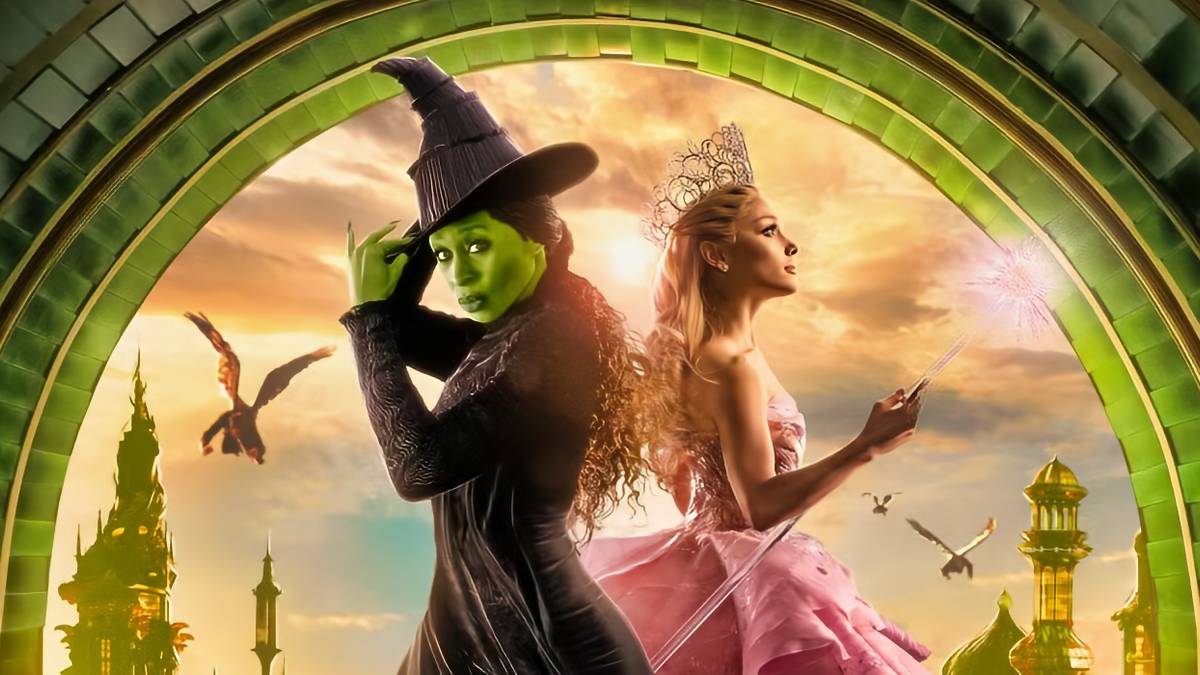
One question that comes up repeatedly when evaluating screen adaptations of fantasy works is how much fidelity to the source's internal logic actually matters to the quality of the resulting film or series. A fantasy novel often constructs elaborate systems of rules, whether governing magic, cosmology, or social structure, and those systems carry a lot of the narrative weight. When an adaptation compresses or reconceives those rules for a visual medium, the result can feel like a betrayal, or it can feel like a genuine reimagining that uses the screen's particular strengths to arrive somewhere the source couldn't. I'm curious whether people think there's a meaningful distinction between an adaptation that translates source logic faithfully and one that essentially builds a new internal logic suited to cinema or episodic television. The latter seems like it might actually be the more interesting category, since it implies the filmmakers understood the source deeply enough to identify what was structurally essential versus what was medium-specific scaffolding. But it also creates the most friction with audiences who came to the adaptation through the source material. Is there a version of this where departing from the source's logic is actually the condition under which an adaptation can become a great screen work in its own right, rather than a limitation on its quality?
Source: The Greatest Fantasy Movie of Each of the Last 6 Years ↗