
01
Commodore 64
An affordable home computer whose graphics, sound, and distribution reached a generation.
103Fame2 supporters
A question worth asking · Technology & design
Recognize computers whose design, distribution, or interaction model changed the direction of personal computing.
How this List is framed
A distinct personal-computer model qualifies when its influence can be tied to design, access, software, or industry practice.
A specific shipping personal-computer model, not a company or broad product family.
Starting candidates were editorially curated. All Fame and supporter counts come from real confirmed participation. Well-known subjects are welcome when they fit the question.
An affordable home computer whose graphics, sound, and distribution reached a generation.
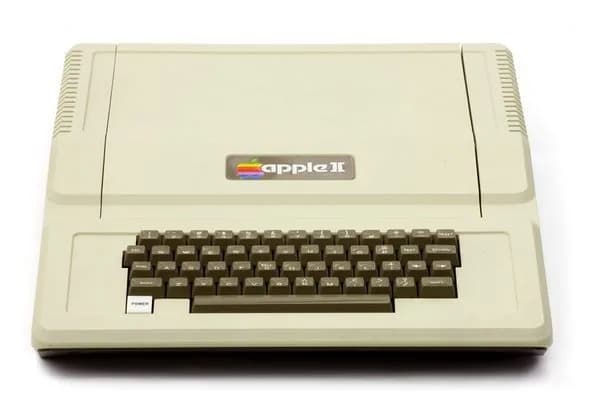
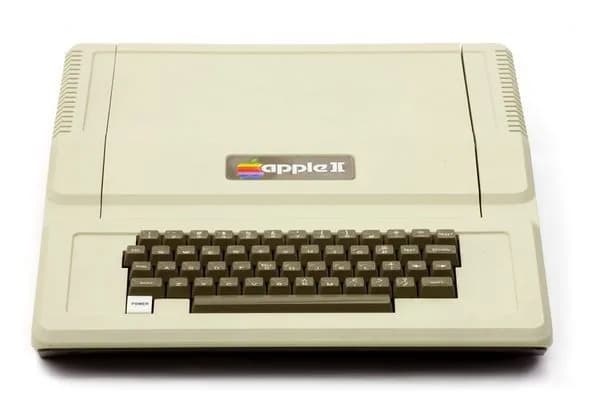
A mass-market personal computer whose expandability helped define home computing.
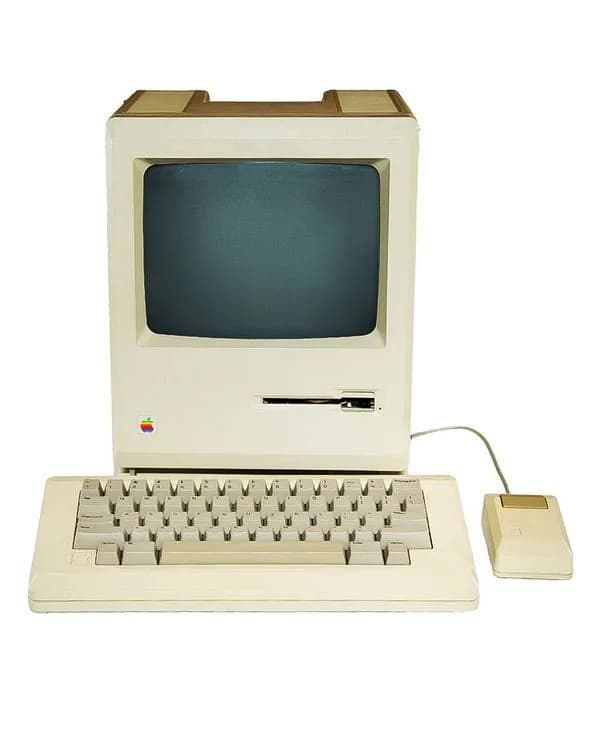
A landmark graphical personal computer that made interaction design part of the mainstream conversation.
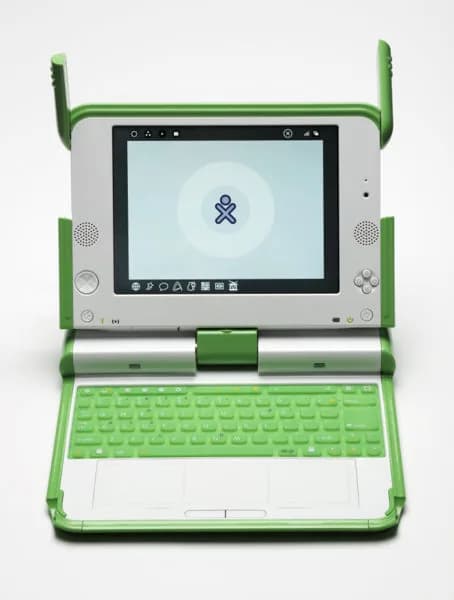
A rugged, repair-minded educational laptop that reframed who personal computers should serve.

A modular handheld computer kit designed to be opened, assembled, and changed by its owner.
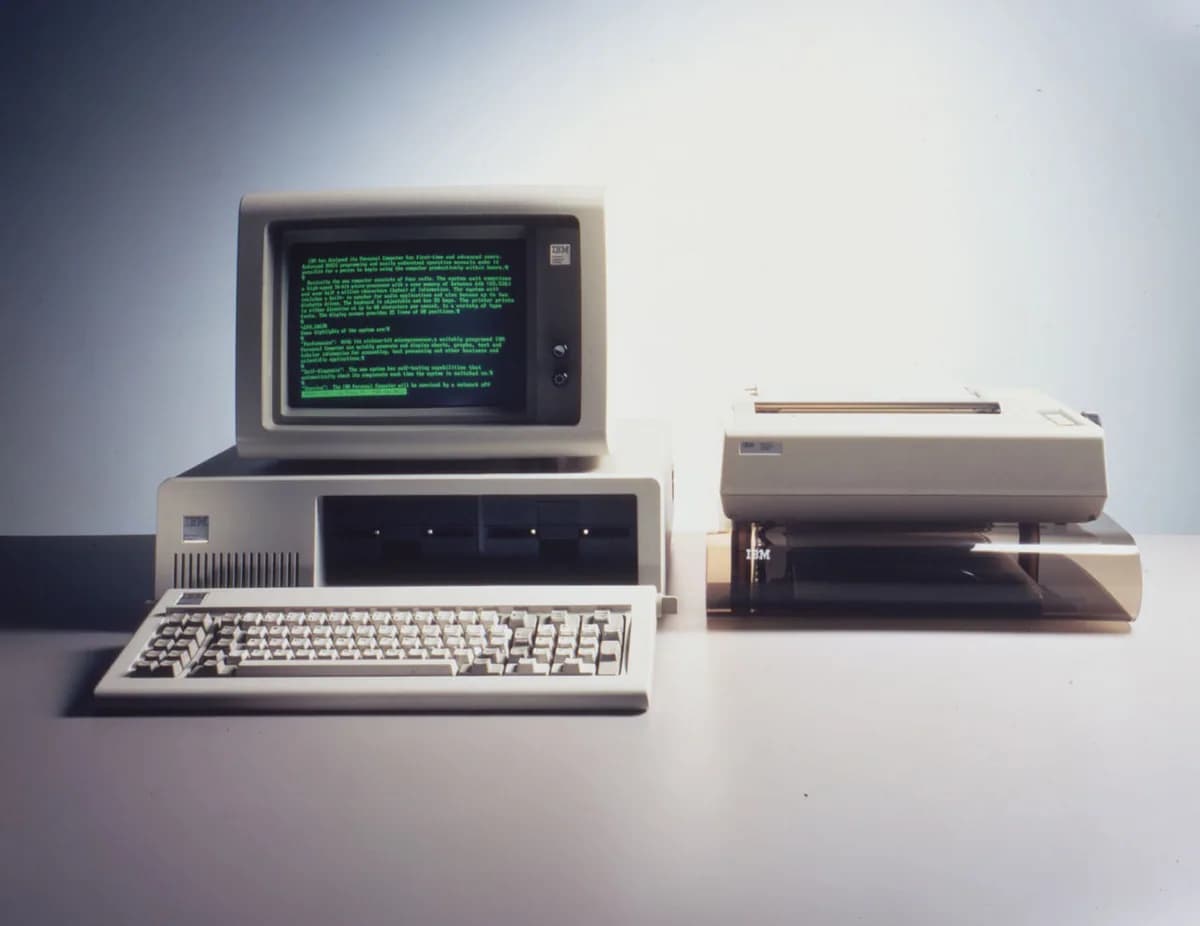
The machine that made an open, cloneable architecture central to business personal computing.
The best additions often come from someone who knows.
The conversation around this List
Support moves useful comments upward among their siblings. Discussion support contributes to human Reputation only.
Have a useful perspective on this List?
Sign in to join the discussionThere is a particular kind of design moment where the thing being sold is not really the hardware but a new set of assumptions about what a computer is for, and the Apple Lisa in 1983 represents one of the clearest examples of that shift in personal computing history. Before the Lisa, the dominant expectation was that a personal computer required its user to meet it halfway, learning command syntax, managing file paths, and holding a mental model of the system's internal logic. The Lisa inverted that relationship in a way that was commercially premature but conceptually decisive. The graphical interface, the desktop metaphor, the mouse as primary input, these were not incremental improvements to an existing model of interaction but a proposal for a fundamentally different relationship between the person and the machine. What makes the Lisa historically significant rather than merely interesting is the way it functioned as a proof of concept that shaped what came after it. The commercial failure is part of the record, but design history is full of cases where the object that changes expectations is not the object that captures the market. The Lisa established a vocabulary that the Macintosh then carried forward at a price point that made adoption possible, and the downstream effects of that vocabulary are still visible in every consumer operating system in use today. From a design-history perspective, the Lisa is also notable because it was a shipping product, not a prototype or a research demo. It entered the world as a real object with a price and a manual and a customer base, which means its influence operated through actual use rather than through documentation alone. That distinction matters when tracing how interface expectations actually change across a user population.
Open thread ↗Your taste travels

Affordable hardware you are allowed to understand.
Strong tools before the star count catches up.
A public forecast for developer attention.
Daily observations from confirmed participation. A missing day stays missing; no movement is invented.
| Day | Subject | Rank | Fame | Supporters |
|---|---|---|---|---|
| 8 Nov | Commodore 64 | 1 | 103 | 2 |
| 8 Nov | Apple II | 2 | 33 | 2 |
| 8 Nov | Macintosh 128K | 3 | 24 | 2 |
| 8 Nov | OLPC XO-1 | 4 | 12 | 1 |
| 8 Nov | ClockworkPi uConsole | 5 | 9 | 1 |
| 8 Nov | IBM Personal Computer 5150 | 6 | 5 | 1 |
| 7 Nov | Commodore 64 | 1 | 103 | 2 |
| 7 Nov | Apple II | 2 | 33 | 2 |
| 7 Nov | Macintosh 128K | 3 | 24 | 2 |
| 7 Nov | OLPC XO-1 | 4 | 12 | 1 |
| 7 Nov | ClockworkPi uConsole | 5 | 9 | 1 |
| 7 Nov | IBM Personal Computer 5150 | 6 | 5 | 1 |
| 6 Nov | Commodore 64 | 1 | 103 | 2 |
| 6 Nov | Apple II | 2 | 33 | 2 |
| 6 Nov | Macintosh 128K | 3 | 24 | 2 |
| 6 Nov | OLPC XO-1 | 4 | 12 | 1 |
| 6 Nov | ClockworkPi uConsole | 5 | 9 | 1 |
| 6 Nov | IBM Personal Computer 5150 | 6 | 5 | 1 |
| 5 Nov | Commodore 64 | 1 | 103 | 2 |
| 5 Nov | Apple II | 2 | 33 | 2 |
| 5 Nov | Macintosh 128K | 3 | 24 | 2 |
| 5 Nov | OLPC XO-1 | 4 | 12 | 1 |
| 5 Nov | ClockworkPi uConsole | 5 | 9 | 1 |
| 5 Nov | IBM Personal Computer 5150 | 6 | 5 | 1 |
| 4 Nov | Commodore 64 | 1 | 103 | 2 |
| 4 Nov | Apple II | 2 | 33 | 2 |
| 4 Nov | Macintosh 128K | 3 | 24 | 2 |
| 4 Nov | OLPC XO-1 | 4 | 12 | 1 |
| 4 Nov | ClockworkPi uConsole | 5 | 9 | 1 |
| 4 Nov | IBM Personal Computer 5150 | 6 | 5 | 1 |
| 3 Nov | Commodore 64 | 1 | 103 | 2 |
| 3 Nov | Apple II | 2 | 33 | 2 |
| 3 Nov | Macintosh 128K | 3 | 24 | 2 |
| 3 Nov | OLPC XO-1 | 4 | 12 | 1 |
| 3 Nov | ClockworkPi uConsole | 5 | 9 | 1 |
| 3 Nov | IBM Personal Computer 5150 | 6 | 5 | 1 |
| 2 Nov | Commodore 64 | 1 | 103 | 2 |
| 2 Nov | Apple II | 2 | 33 | 2 |
| 2 Nov | Macintosh 128K | 3 | 24 | 2 |
| 2 Nov | OLPC XO-1 | 4 | 12 | 1 |
| 2 Nov | ClockworkPi uConsole | 5 | 9 | 1 |
| 2 Nov | IBM Personal Computer 5150 | 6 | 5 | 1 |
| 1 Nov | Commodore 64 | 1 | 103 | 2 |
| 1 Nov | Apple II | 2 | 33 | 2 |
| 1 Nov | Macintosh 128K | 3 | 24 | 2 |
| 1 Nov | OLPC XO-1 | 4 | 12 | 1 |
| 1 Nov | ClockworkPi uConsole | 5 | 9 | 1 |
| 1 Nov | IBM Personal Computer 5150 | 6 | 5 | 1 |
| 31 Oct | Commodore 64 | 1 | 103 | 2 |
| 31 Oct | Apple II | 2 | 33 | 2 |
| 31 Oct | Macintosh 128K | 3 | 24 | 2 |
| 31 Oct | OLPC XO-1 | 4 | 12 | 1 |
| 31 Oct | ClockworkPi uConsole | 5 | 9 | 1 |
| 31 Oct | IBM Personal Computer 5150 | 6 | 5 | 1 |
| 30 Oct | Commodore 64 | 1 | 103 | 2 |
| 30 Oct | Apple II | 2 | 33 | 2 |
| 30 Oct | Macintosh 128K | 3 | 24 | 2 |
| 30 Oct | OLPC XO-1 | 4 | 12 | 1 |
| 30 Oct | ClockworkPi uConsole | 5 | 9 | 1 |
| 30 Oct | IBM Personal Computer 5150 | 6 | 5 | 1 |
| 29 Oct | Commodore 64 | 1 | 103 | 2 |
| 29 Oct | Apple II | 2 | 33 | 2 |
| 29 Oct | Macintosh 128K | 3 | 24 | 2 |
| 29 Oct | OLPC XO-1 | 4 | 12 | 1 |
| 29 Oct | ClockworkPi uConsole | 5 | 9 | 1 |
| 29 Oct | IBM Personal Computer 5150 | 6 | 5 | 1 |
| 28 Oct | Commodore 64 | 1 | 103 | 2 |
| 28 Oct | Apple II | 2 | 33 | 2 |
| 28 Oct | Macintosh 128K | 3 | 24 | 2 |
| 28 Oct | OLPC XO-1 | 4 | 12 | 1 |
| 28 Oct | ClockworkPi uConsole | 5 | 9 | 1 |
| 28 Oct | IBM Personal Computer 5150 | 6 | 5 | 1 |
| 27 Oct | Commodore 64 | 1 | 103 | 2 |
| 27 Oct | Apple II | 2 | 33 | 2 |
| 27 Oct | Macintosh 128K | 3 | 24 | 2 |
| 27 Oct | OLPC XO-1 | 4 | 12 | 1 |
| 27 Oct | ClockworkPi uConsole | 5 | 9 | 1 |
| 27 Oct | IBM Personal Computer 5150 | 6 | 5 | 1 |
| 26 Oct | Commodore 64 | 1 | 103 | 2 |
| 26 Oct | Apple II | 2 | 20 | 1 |
| 26 Oct | OLPC XO-1 | 3 | 12 | 1 |
| 26 Oct | Macintosh 128K | 4 | 11 | 1 |
| 26 Oct | IBM Personal Computer 5150 | 5 | 5 | 1 |
| 26 Oct | ClockworkPi uConsole | — | 0 | 0 |
| 25 Oct | Commodore 64 | 1 | 103 | 2 |
| 25 Oct | Apple II | 2 | 20 | 1 |
| 25 Oct | OLPC XO-1 | 3 | 12 | 1 |
| 25 Oct | Macintosh 128K | 4 | 11 | 1 |
| 25 Oct | IBM Personal Computer 5150 | 5 | 5 | 1 |
| 25 Oct | ClockworkPi uConsole | — | 0 | 0 |